
How to Prep for a Studio Shoot: A Producer’s Checklist
Even the most cinematic vision will fall apart if the logistics aren’t planned. Whether you’re filming a branded interview, a short narrative, or a music video, prepping for a studio shoot takes more than just booking the space. It’s about making sure everyone shows up with the right tools and knowing how to pivot when something doesn’t go as planned (because it won’t).
Here’s a checklist to help producers before the cameras roll.
1. Reserve the Space, Confirm the Specs

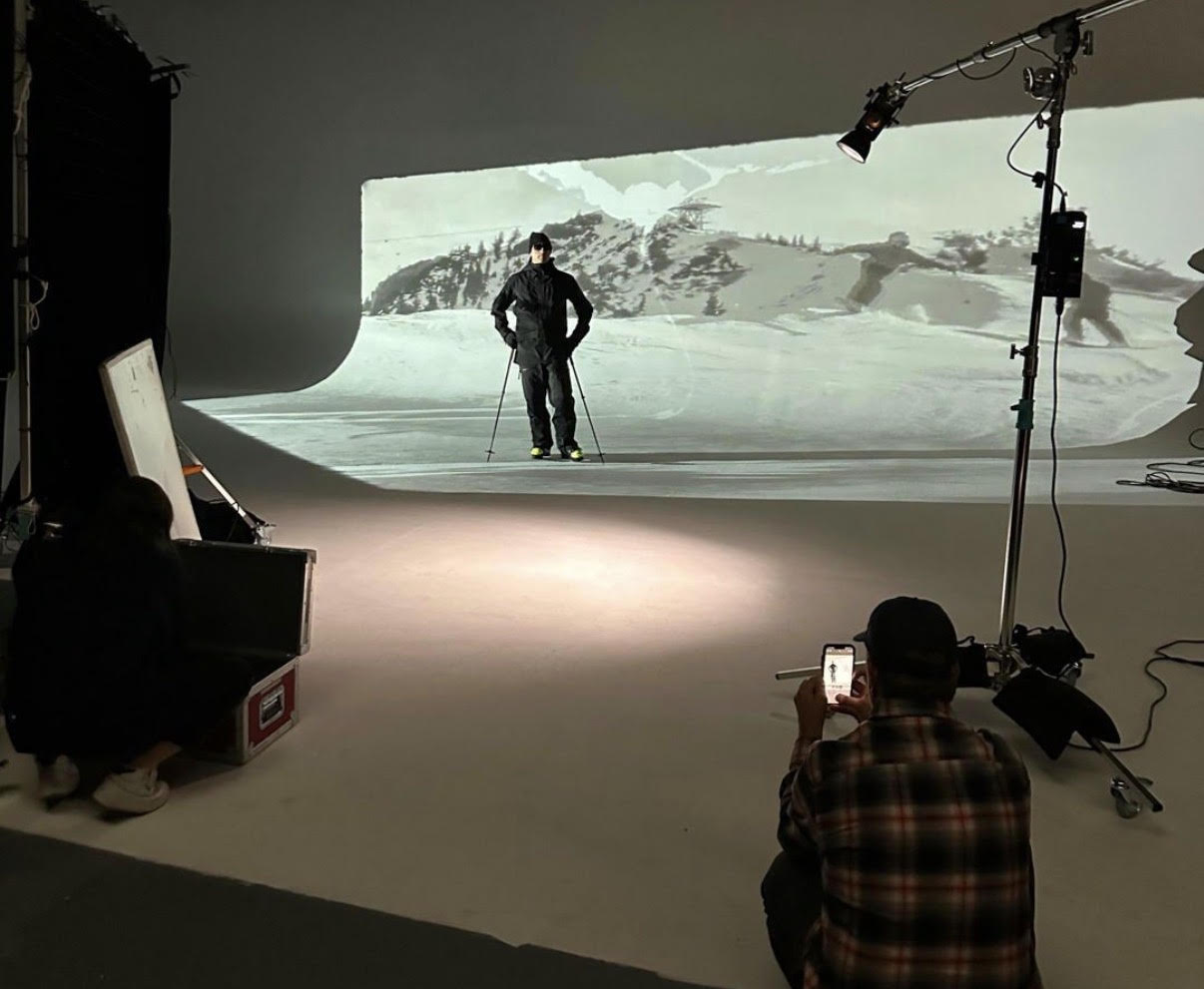
Before you do anything else, double-check the studio’s layout, dimensions, and gear list. Not all white rooms are equal. Does the cyc wall curve cleanly? What kind of lighting grid is overhead? Is there soundproofing?
Confirm:
- Studio dimensions (especially ceiling height and cyc width)
- Power availability (amperage, distro, etc.)
- Blackout options or light control
- Access to green room, HMU stations, or client lounge
If you're working with a studio that includes gear or grip rentals, make sure your crew knows what’s in-house and what you’ll need to bring.
2. Build a Call Sheet That Thinks Ahead
You don’t need a 20-page production sheet but you do need a clear call sheet.
Include:
- Cast and crew call times (stagger if needed)
- Studio address and parking info
- Emergency contacts
- Load-in/load-out schedule
- Gear list (with pickup/dropoff info)
Share it at least 24 hours in advance and update it with any last-minute changes. If your shoot day runs on thin air instead of structure, it’s going to fall apart.
3. Lighting and Blocking = Rehearsal Time
It’s tempting to fill every minute with “action,” but some of the most important time on set is when the camera isn’t rolling.
Plan:
- Time for G&E to build and finesse lights
- Talent blocking (especially for multicam or choreographed shots)
- Camera tests and monitor setup
If you’re shooting on a cyc, allow time for lighting wraparound and spill control — especially with color lighting or haze.
4. Plan for the Boring Stuff
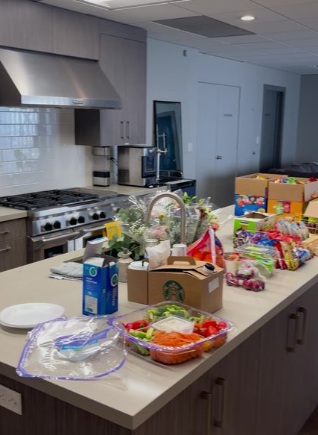
No one wants to think about extension cords, coffee, or bathrooms. That’s what makes or breaks morale on a 10-hour day.
A few questions to ask yourself:
- Who’s bringing crafty and water?
- Do you have trash bins and a plan for clean-up?
- Are your files being backed up on-site?
- Is there a restroom key code? (Seriously — ask.)
The boring stuff is what keeps your crew sane. Don't skip it.
5. Have a Backup Plan (and a Backup Battery)
What happens if your talent is late, or your key light dies mid-take? A good producer isn’t just a scheduler they’re a strategist.
Prep:
- Spare SD cards and batteries
- Alternative coverage plans
- A second lunch option (Postmates goes down more than you think)
And yes, always bring an extra USB-C cable. It will save your life.
Final Takeaways
Studio shoots move quick. Good prep slows the chaos down. When you arrive with a plan, your crew works smarter, your client breathes easier, and your footage looks better. No wasted hours. No missing equipment. Just a clean, efficient shoot.
Cutthroat Grip & Lighting
Phone: 385-243-1050
Email: bookings@itscutthroat.com